
X-Men Gameplay
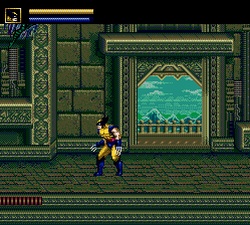
You feel the vibe of X-Men on the Sega Genesis right away—tough, but fair. It doesn’t grab your hand; it dumps you in the Danger Room and whispers, figure it out. Jump, strike, another… the rhythm lands not on the first step, but the tenth. Under your thumbs, the game demands pace: no dawdling, no flailing. This isn’t about dry terminology; it’s about sprinting along a razor’s edge between traps and duels, every second a tiny Marvel panel rendered in pixels.
Heroes and their pace
Pick Wolverine and it goes intimate and up close. His claws cut the air differently, and you want to crash in, feel him soak damage yet keep swinging, that regen ticking as you move. Switch to Cyclops and the room opens up: beams carve clean lines, you keep your distance, control the space, and wait for the split-second to hold your nerve and land a precise blast. Gambit adds guile—those charged cards arc just so, each throw a mini-puzzle: angle, power, and timing to slice the goon perched on the platform above. Nightcrawler is its own delight. A teleport, a soft “bamf,” and you’re past the wall, in a pocket of the level where a bonus hides. With him you feel like a tightrope dancer: step, blink, lunge, blink again—the trap is behind you and you didn’t waste a single hit.
Ability energy drains like sand through fingers, and that cranks up the tension. You want to spam beams or blink without restraint, but X-Men, in true Sega fashion, reminds you: stay disciplined, think. One extra move and in the next room you won’t have juice for that leap of faith. You hoard rare refills, learn to budget, keep a reserve for the nasty bit—the boss, or a mean string of platforms lined with lasers and toxic puddles.
Levels that breathe
Every stage isn’t just a backdrop; it’s a living machine trying to dump you off. The Savage Land springs with vines, platforms slide out from under you, predators lurk in the foliage, and you tap the right beat with your jumps. Mechanical corridors switch tempo: strict, almost metronomic. Laser on, pause, step, burst. Cyclops feels comfy here, but grab Wolverine and the blood runs hot—you want to bulldoze through, though the smarter play is to wait for your window. In the cosmic halls, Mojo’s cameras feel like they’re staring through you: conveyors hum, sparks spit from panels, and any misstep turns into a drawn-out photo finish with traps.
Enemies aren’t punching bags. Sentinels bully with size and weight, small fry creep in from the screen’s edges, and somewhere up top a sniper-bot already has you sighted. Recognition saves you: seen that type—know its tells. Lock into the tempo and you win with clean inputs, no extra math. Still, the game loves to jab. Get used to platform routes—up shoots a spiked piston. Line up the perfect shot—the floor drops out and you plunge into the unknown. And then the magic hits: Jean Grey yanks you from the abyss, and you can’t help but grin—this is the real Danger Room, where even a fall becomes drama and rescue.
There’s a rare, era-defying nerve in X-Men on the Genesis, where a level plays like a wordless puzzle. You advance, experiment, and make mental notes: “Blink here, Gambit there, Cyclops for this lane.” Swap characters, reshape the route—like rewiring your brain for a new mechanic. The same chamber reveals fresh paths: Nightcrawler slips through a wall to a secret corridor, Wolverine tanks a hit to punch through a choke point, Cyclops works with pure aim and saves health where it hurts most.
Boss fights that stick
Bosses aren’t just big sprites; they’re exams on how well you hear the rhythm. Mojo’s rage makes sense: you learn to catch the gaps between attacks, feel the arena tighten until only a couple safe tiles remain. Magneto is a different beast: metal’s gone wild, the air’s electrified, and every step needs pixel-perfect care. Sometimes you bank energy; sometimes you push all-in—and when the final trade lands your way, the pad in your hands almost warms with relief.
And of course, the legendary “reset” moment. X-Men winks at you mid-simulation: the computer asks you to reboot the system. Not “hit pause,” not “enter a code”—literally press Reset on the console. On real hardware it’s a clean fourth-wall break: the TV glows warm, your finger hovers over the button, panic and giddy excitement blend inside. You press it—and the loop continues, like you’re not just playing the game but digging into the Danger Room’s guts and bending its rules to your will. It’s the trick that makes “X-Men on Sega” unforgettable—the moment the X-Men turn out smarter than they look.
Maybe the best thing about this platformer is how it teaches you to listen to a level. A jump isn’t just height; it’s intent. A hit isn’t just damage; it’s cadence. And when that inner metronome kicks in—when you know you’re on time, when traps stop dictating the rules and you outplay them—you get that rare satisfaction. Not from numbers and bars, but from the flow that made us fire up X-Men on the Genesis and hold our breath before a nasty section. Come back to X-Men on Sega Genesis today, and the feeling’s the same: that familiar click, that glow of the screen, and the belief that one more run—this time—it’ll all come together.